Mobility architecture / 02

Control the geometry.
Expand the mission.

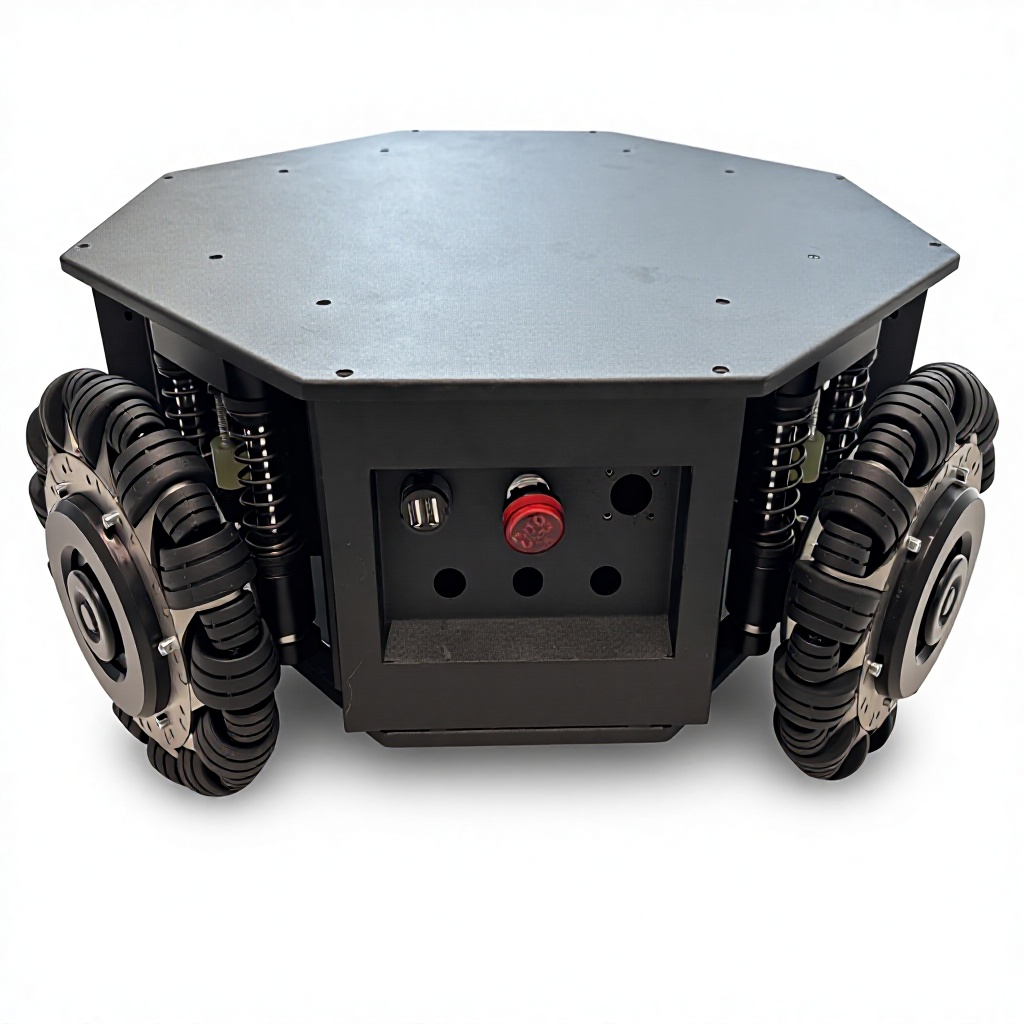
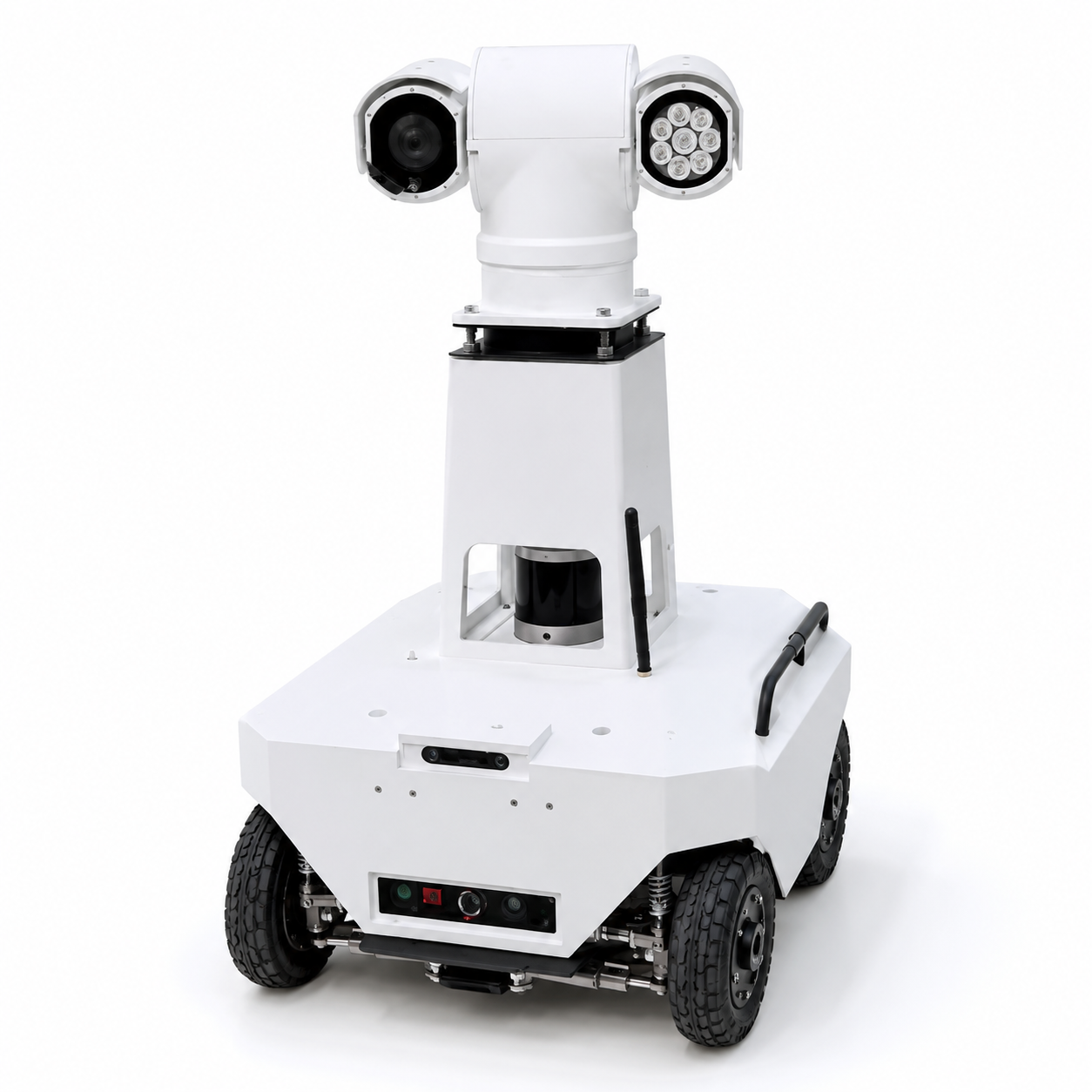
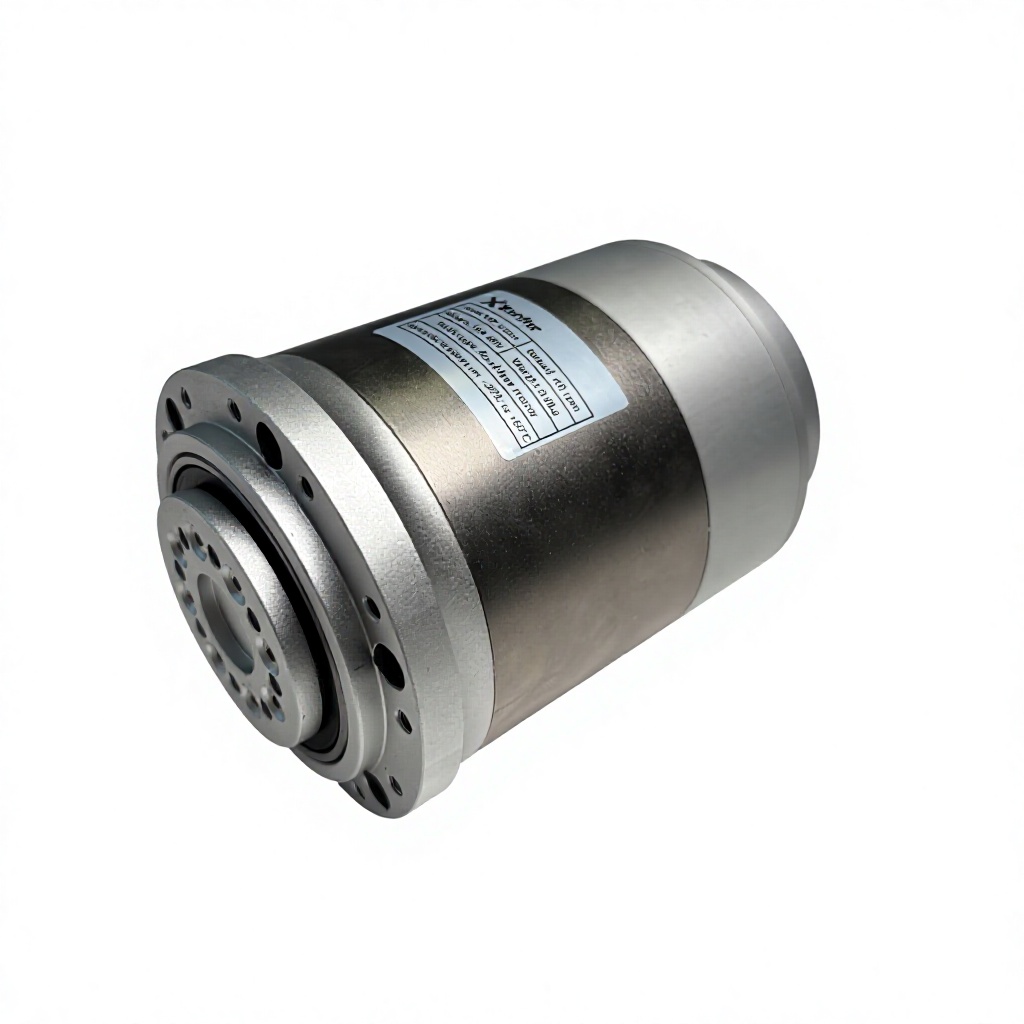
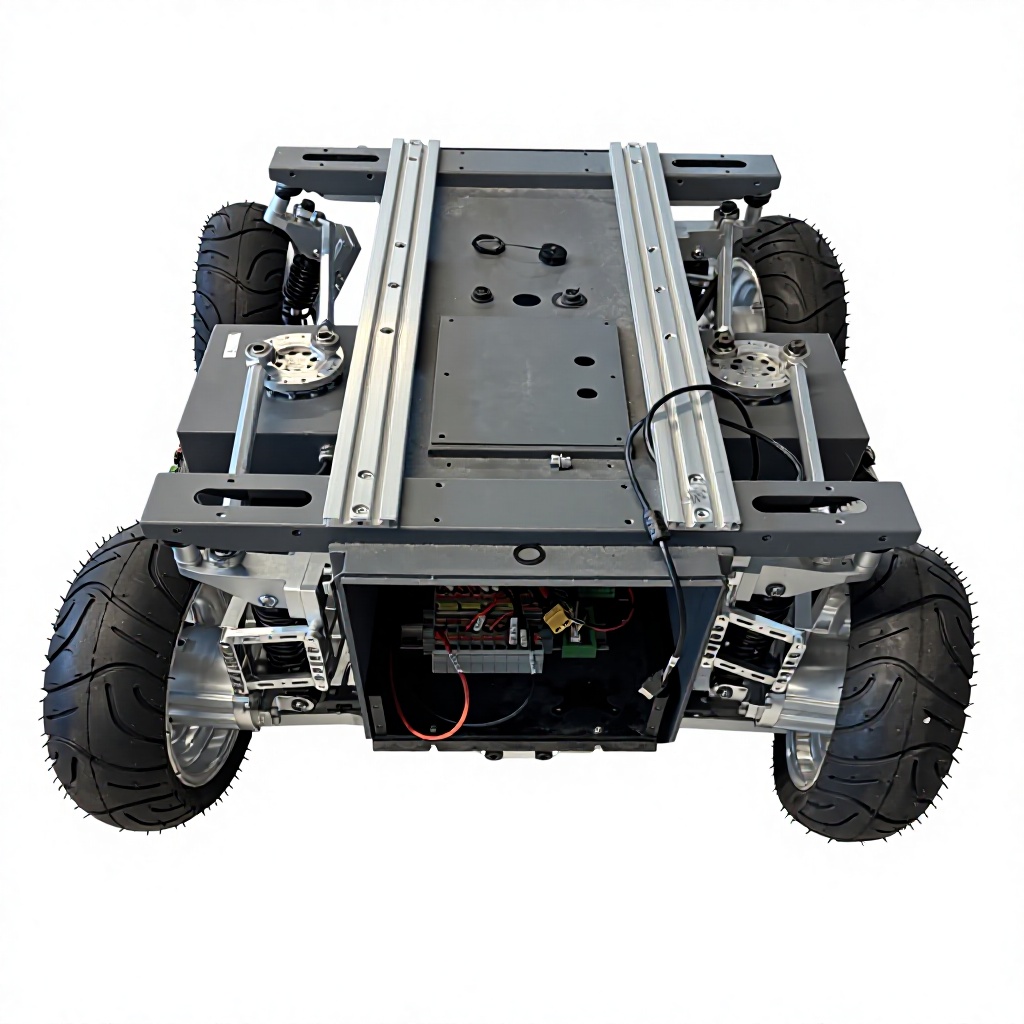
Drive, steering, terrain contact, and interface choices considered as one mobile system.

X +42.8
Y −18.4
Mobility architecture / 00Mobility architecture / illustrative only

Architecture overview

A chassis is more than a frame beneath the autonomy stack.

Wheel arrangement, steering relationships, suspension behavior, packaging, controls, and development interfaces shape how a robot moves through its real operating environment.

01
Define the terrain and route
02
Verify payload and packaging
03
Select the motion architecture
04
Align control and integration

Technology modules

From traction to secondary development.

Each module describes an engineering direction, not an unverified performance claim.

01

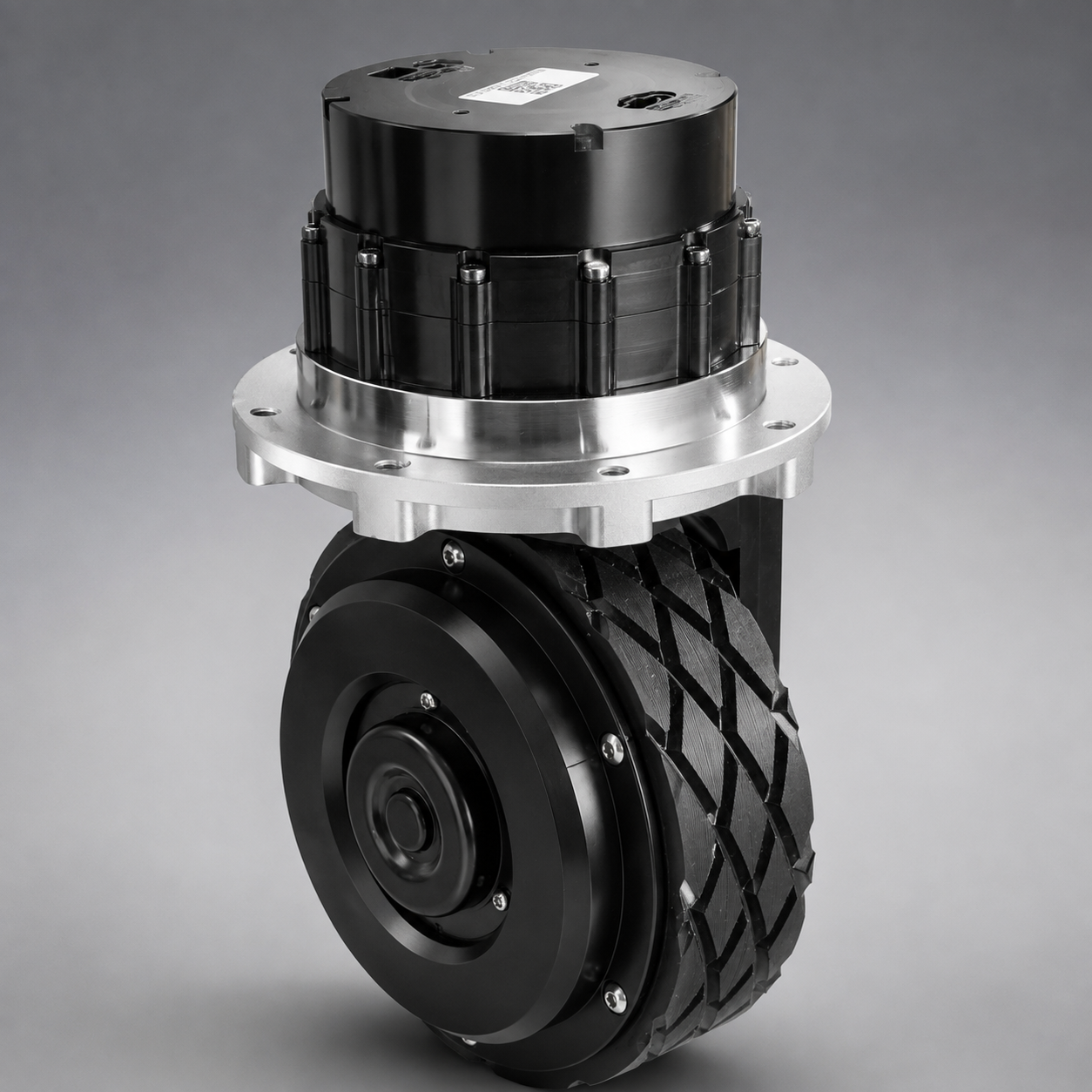
Four-Wheel Drive

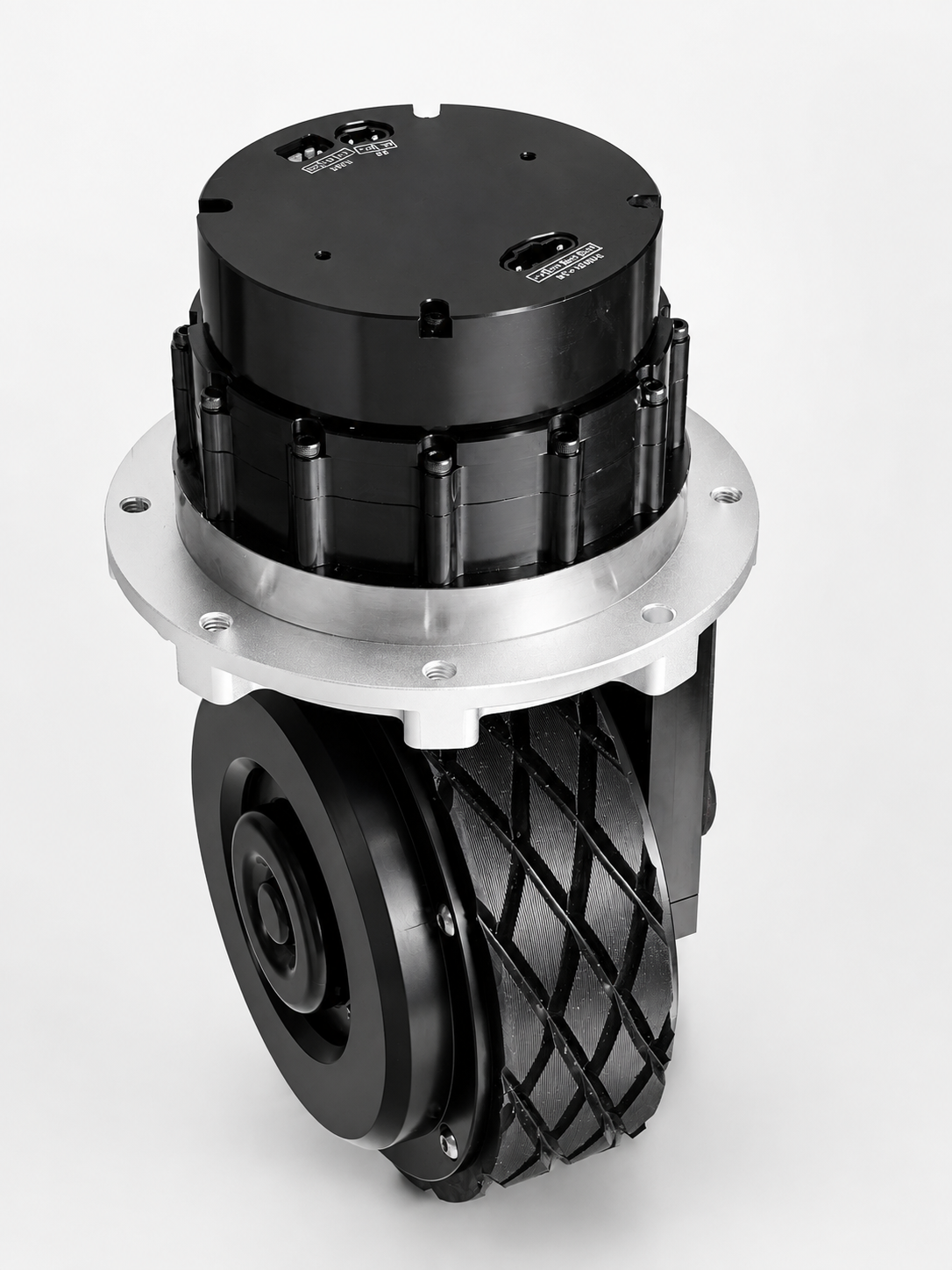
A drive architecture intended to distribute traction across the mobile platform and support configurable motion control.

Build a mobility base around the terrain, maneuvering, and control requirements of the application.Discuss your requirements
02

Dual-Side Linked Steering

Coordinated steering geometry can align wheel motion with the commanded path while reducing integration complexity.

Translate vehicle motion intent into a platform architecture suitable for secondary development.Discuss your requirements
03

Dual Ackermann Steering

Front and rear steering relationships can be engineered for application-specific turning behavior.

Support path-following strategies that need vehicle-like steering characteristics.Discuss your requirements
04

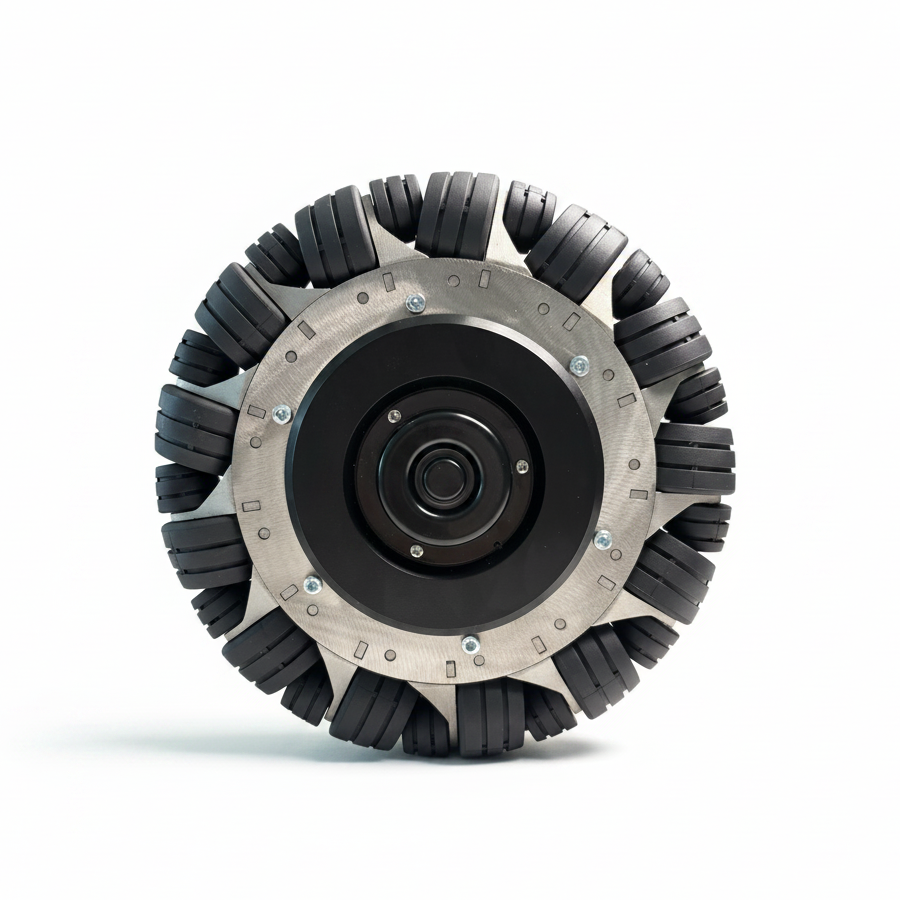
Zero-Radius Turning

Selected platform architectures can be designed around highly compact maneuvering patterns.

Evaluate turning-envelope requirements early in the chassis selection process.Discuss your requirements
05

Suspension & Terrain Adaptability

Mechanical compliance, wheel contact, and packaging are considered together for outdoor mobility programs.

Match chassis behavior to the actual surface, obstacle, and payload requirements supplied by the customer.Discuss your requirements
06

CAN & Secondary Development

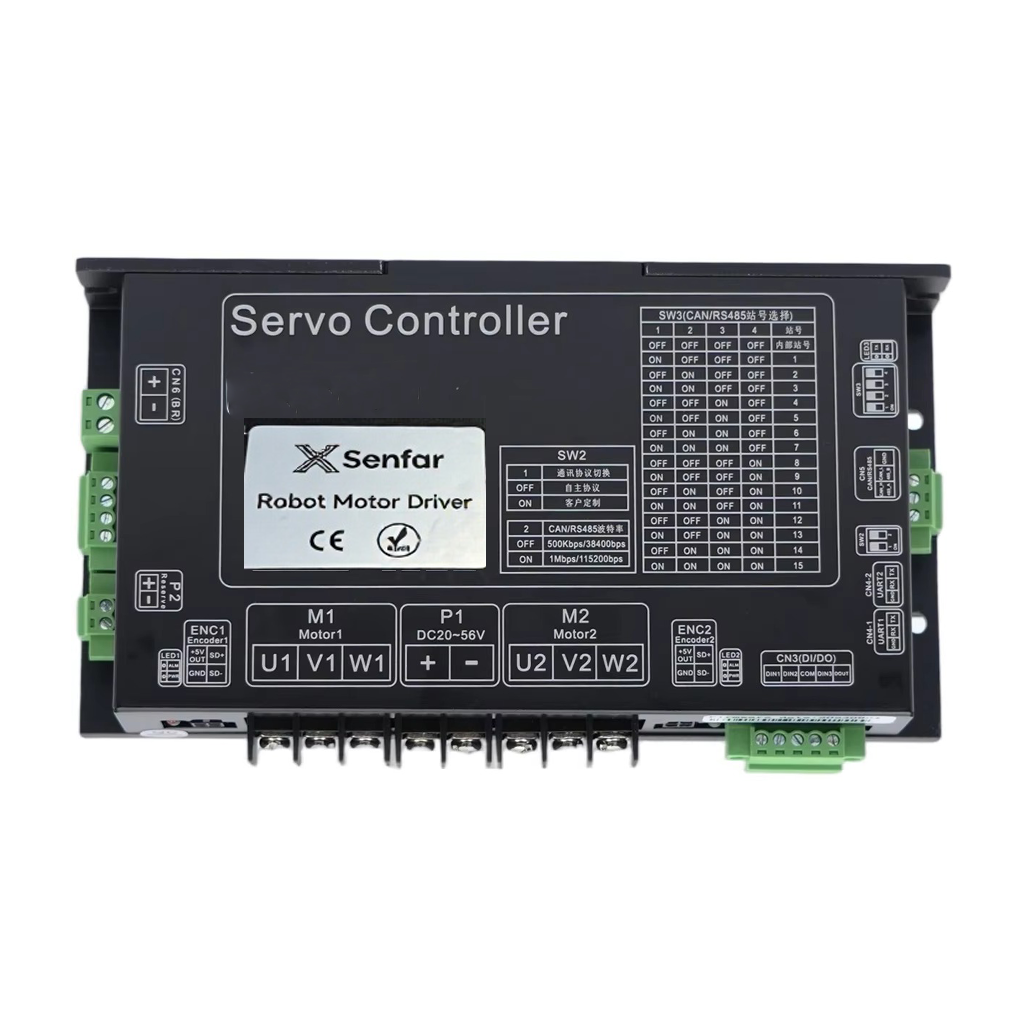
Control interfaces and development boundaries are documented around the approved product configuration.

Create a clearer handoff between the mobile base and the customer's autonomy stack.Discuss your requirements
07

Custom Chassis Engineering

Customer inputs such as payload, dimensions, terrain, and control interface guide the engineering discussion.

Start with project constraints instead of forcing every program into one standard platform.Discuss your requirements

Testing & validation

Evidence belongs beside every engineering claim.

Testing facilities, protocols, results, patents, and certifications will be published only when documentation and media are approved.

STATUS / CONTENT GATE

TODO: Supply approved test plans, facility photography, result summaries, patent records, and certification documents.

TODO: Testing and validation mediaVerified on-site imagery and captions required

Start a project conversation

Build Your Next Mobile Robot Platform with Aimrob

Tell us your payload, dimensions, terrain, control interface, and customization requirements.